7 Reasons Your Kombucha Has No Fizz (And How to Fix Each One)
This post contains affiliate links. If you buy something through a link I may earn a small commission at no extra cost to you.
You bottled your kombucha, waited two days, opened it carefully over the sink exactly as instructed, and got absolutely nothing. No hiss, no fizz, no bubbles. Just flat kombucha.
If your kombucha has no fizz after second fermentation, you’re not alone. This happened to a lot of my early batches and it still sometimes does.
It’s one of the most common frustrations in home brewing and almost always fixable. In most cases the problem comes down to one of seven things, all of which are easy to identify and sort out before your next batch.
Let me walk you through each one.
Why Kombucha Gets Fizzy in the First Place
Before getting into the fixes it helps to understand what’s actually supposed to happen during second fermentation.
When you bottle your finished first ferment kombucha and add a small amount of sugar (from fruit, juice, or fresh ginger), the residual yeast in the liquid feeds on that sugar and produces CO2. Because the bottle is sealed, that CO2 has nowhere to go except into the liquid itself. With enough time and warmth, it dissolves into the kombucha and creates carbonation.
For this to work, three things need to be in place: live yeast in the liquid, sugar for the yeast to feed on, and a properly sealed bottle at the right temperature. If any one of these is missing or inadequate, you end up with flat kombucha.
7 Reasons Your Kombucha Has No Fizz
1. The bottles aren’t sealing properly
This is the most common cause of flat kombucha and the first thing to check.
If CO2 is escaping through a loose seal, no amount of time or warmth will produce carbonation. The gas simply leaks out as fast as the yeast produces it.
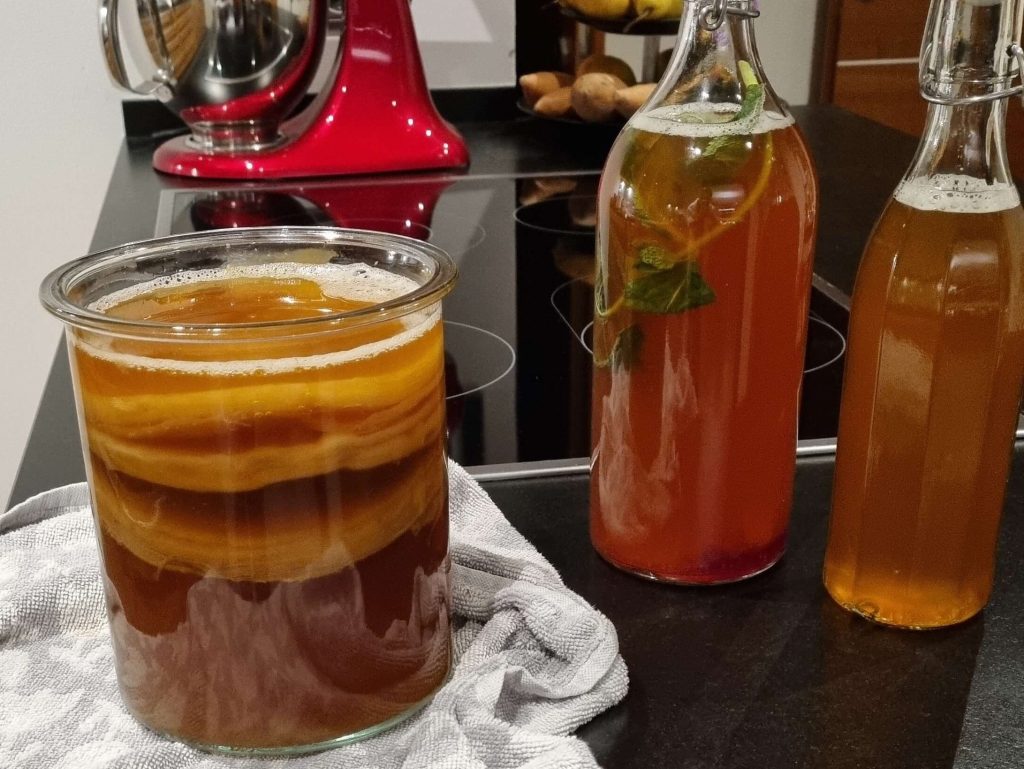
Check your bottles: Flip-top (bail-top) bottles with a rubber gasket are the most reliable for home brewing. If the gasket is old, cracked, or missing, replace it. Screw-top bottles are less reliable since the seal degrades over time. Old jam jars and repurposed bottles are not suitable for second fermentation.
Check the fill level: Leave only 2–3cm of headspace at the top of each bottle. Too much headspace means there’s a large volume of air that needs to be displaced before pressure builds, which slows carbonation significantly.
2. The room is too cold
Yeast slows down in cold environments. Below 20°C, second fermentation can take much longer than expected or stall almost completely.
The fix: Move your bottles somewhere warmer. The ideal temperature for second fermentation is between 21°C and 27°C. A kitchen counter away from cold drafts, a shelf near a warm appliance, or a cupboard with consistent warmth all work well. In winter this matters more than most guides acknowledge.
If your kitchen is consistently cold, try wrapping the bottles in a tea towel or placing them in a small cooler with a heat mat to maintain temperature.
3. Not enough sugar
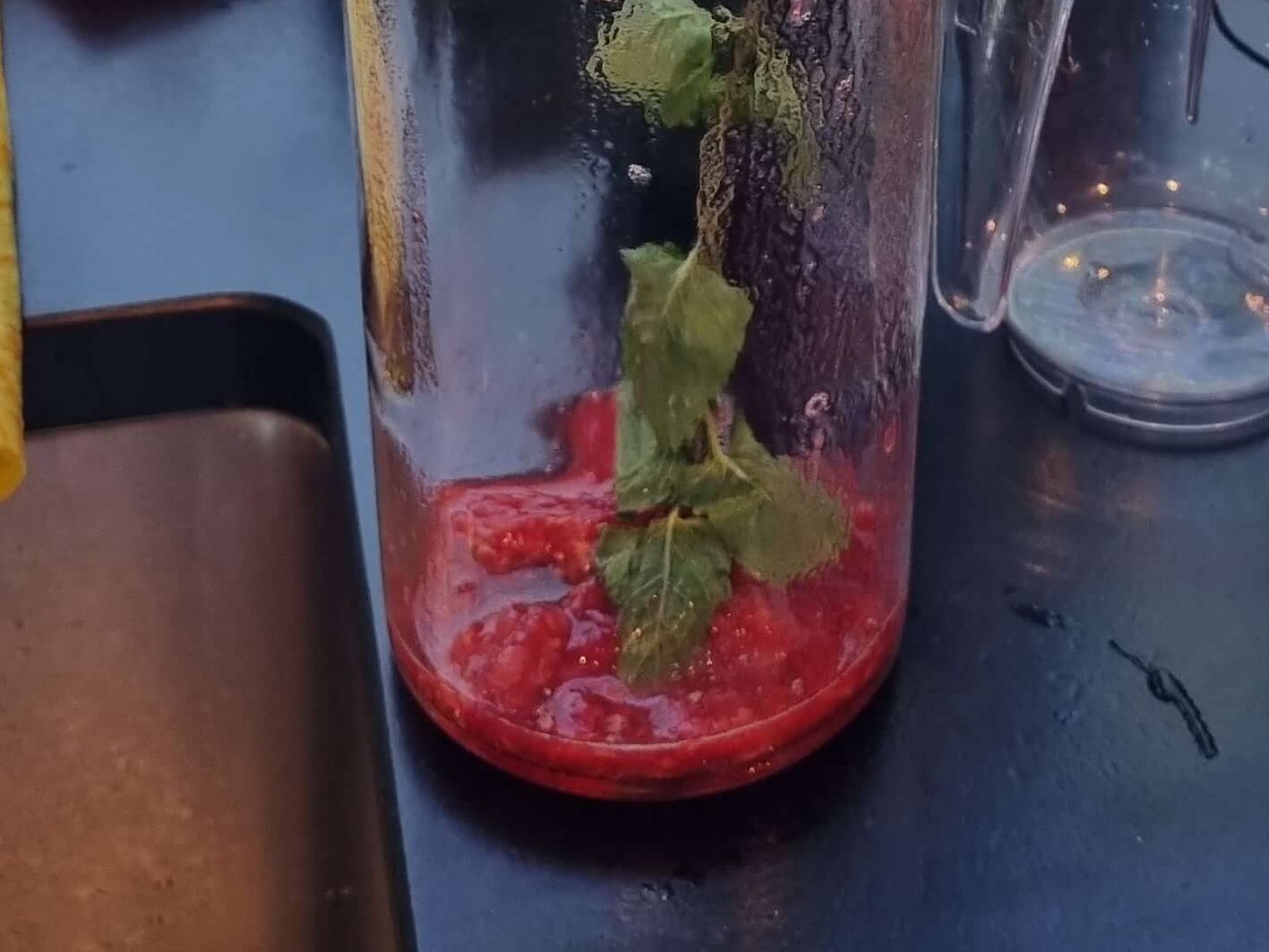
The yeast needs fuel to produce CO2. If you added very little fruit or juice, or used a fruit that’s low in fermentable sugar, there may not be enough for the yeast to work with.
How much to add per 500ml bottle:
- Fresh ginger: 1 thumb, sliced thin
- Fruit juice: 2 tablespoons
- Fresh fruit (chopped): 2–3 tablespoons
- Dried fruit: 1 tablespoon
If you added less than this, open the bottles, add a little more fruit or juice, reseal, and leave for another day or two.
One reliable trick: add a small amount of plain white sugar (half a teaspoon per 500ml) alongside your fruit flavouring. It’s not as interesting as fresh fruit but it guarantees the yeast has something to work with.
4. The first ferment went too long
If your first fermentation ran for longer than usual and the kombucha is very sour and vinegary, most of the yeast may have become inactive. Over-fermented kombucha has very little residual yeast activity, which means second fermentation has nothing to build on.
The fix: Use this batch as starter liquid for your next brew (it’s excellent for that) and shorten your first fermentation time by two or three days going forward. The sweet spot for second fermentation is kombucha that tastes pleasantly tangy but still has a slight sweetness. That residual sweetness indicates active yeast that’s ready to work in the bottle.
5. The kombucha was refrigerated before bottling
If you put your first ferment in the fridge before bottling it for second fermentation, you may have significantly reduced yeast activity. Cold slows everything down, and yeast that has been chilled takes time to become active again even at room temperature.
The fix: If your kombucha has been refrigerated, let it come fully to room temperature before bottling for second fermentation. Leave it on the counter for 2–3 hours first. The yeast will wake back up and second fermentation will proceed normally.
6. Not enough time
Second fermentation takes time and the timeline varies more than most guides suggest. In a warm kitchen in summer, 24–36 hours can be enough. In a cool kitchen in winter, you may need 4–5 days.
How to check without wasting a bottle: Squeeze the bottle gently if it’s plastic, or carefully open it just a crack over the sink once a day from day two. A strong hiss when you crack it open means carbonation is building. Reseal immediately and leave it another day.
Don’t open bottles fully to check during second fermentation. Every time you open a bottle you release the pressure that’s been building and have to start again.
7. The bottles have too much headspace
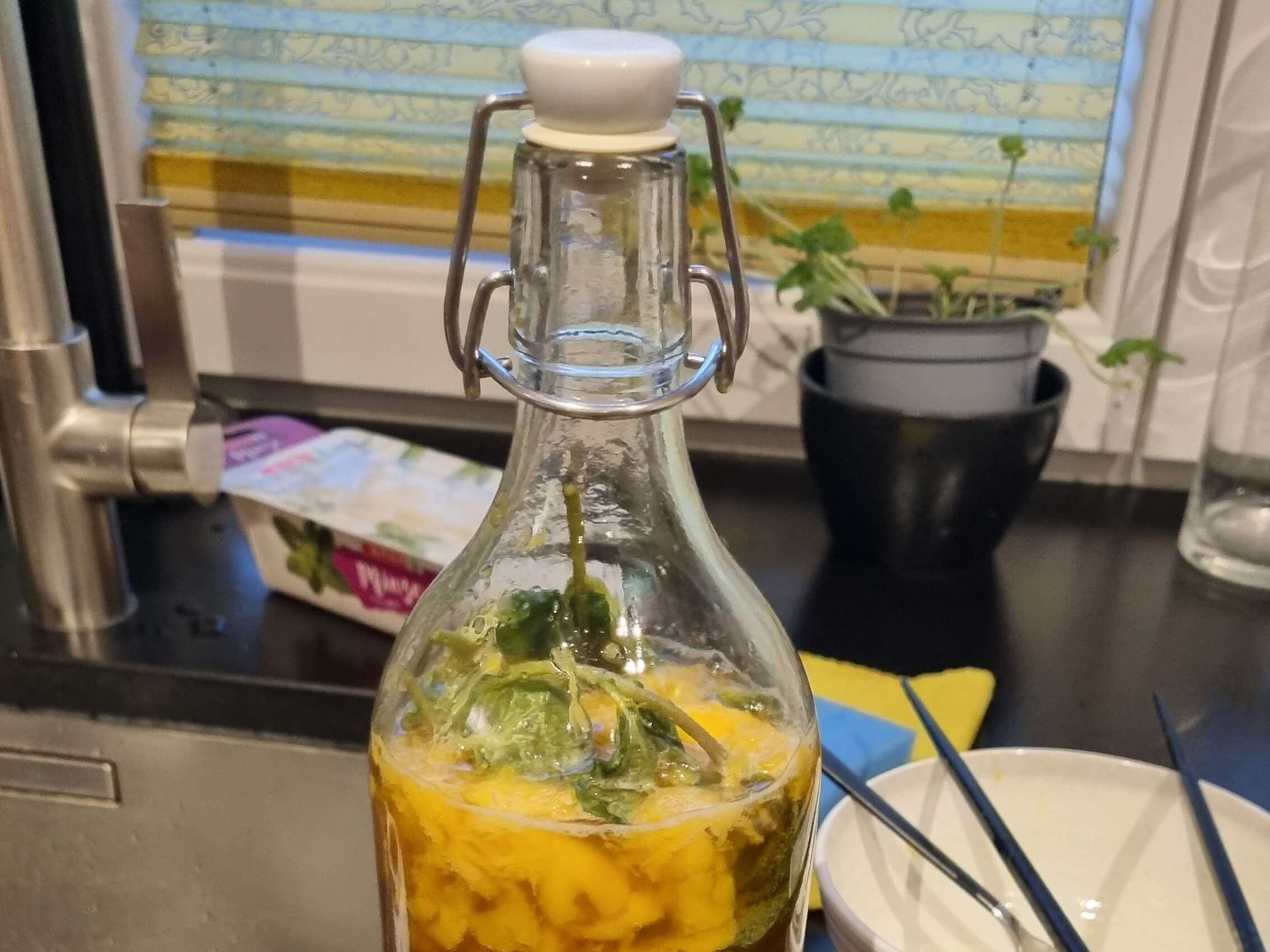
Related to the sealing issue but worth mentioning separately. Too much air in the bottle dilutes the CO2 concentration and prevents pressure from building to carbonation levels.
The fill level to aim for: Leave 2–3cm of space at the top of each bottle. Fill them more generously than you might expect. The small amount of fruit or juice you add at the start of second fermentation counts toward this fill level.
What to Do If None of These Fix It
If you’ve worked through all seven and still have flat kombucha, there are two more things worth trying.
Add a raisin or two. Adding two or three organic raisins to each bottle provides a reliable burst of sugar and wild yeast. I was very sceptical, but it works. The raisins float to the bottom of the finished bottle and can be strained out when pouring.
Try a different batch. Occasionally a batch of first ferment kombucha simply doesn’t have enough yeast activity to carbonate well in second fermentation. This can happen if the SCOBY was stressed, the first fermentation temperature was too low, or the batch was over-fermented. The most reliable fix in this case is a fresh batch with better conditions.
How to Avoid Flat Kombucha Going Forward
A few habits that consistently produce good carbonation:
- Keep your second fermentation bottles warm and consistent. Find a spot in your kitchen that stays reliably above 21°C and use it every time.
- Use flip-top bottles with intact gaskets. Check the gaskets before each use and replace them when they show signs of wear. They’re inexpensive and make a real difference.
- Don’t over-ferment the first batch. Bottle it when it still has a slight sweetness. That residual sugar and yeast activity is what drives second fermentation.
- Taste your first ferment before bottling. If it already tastes like vinegar, it’s gone too far. Use it as starter liquid and start again.
- Leave adequate headspace. Slightly less than you think is right. 2–3cm at the top of each bottle.
One More Thing
Opening a well-carbonated bottle of homemade kombucha for the first time is one of those small satisfactions that makes the whole process worth it. The hiss, the fizz, the fact that you made it yourself with a jar and some tea.
It takes some batches to find your ideal timing and temperature. But once you do, and keep these seven reasons in mind, flat kombucha becomes the exception rather than the rule.
If you’re still stuck after working through everything here, drop a comment below with the details of your batch and I’ll help you figure out what’s going on.
For the full second fermentation process including timing, flavour combinations and how to avoid bottle explosions, read my complete guide to second fermentation — coming soon.
New to kombucha? Start with my complete beginner’s guide.
Sources
Jayabalan, R., Malbaša, R. V., Lončar, E. S., Vitas, J. S., & Sathishkumar, M. (2014). A review on kombucha tea — microbiology, composition, fermentation, beneficial effects, toxicity, and tea fungus. Comprehensive Reviews in Food Science and Food Safety, 13(4), 538–550. https://doi.org/10.1111/1541-4337.12072
Crum, H., & LaGory, A. (2016). The big book of kombucha. Storey Publishing.